[et_pb_section fb_built="1" _builder_version="4.27.5" custom_margin="0px||||false|false" custom_padding="0px||||false|false" global_colors_info="{}"][et_pb_row _builder_version="4.27.5" background_size="initial" background_position="top_left" background_repeat="repeat" custom_margin="0px||||false|false" custom_padding="0px||||false|false" global_colors_info="{}"][et_pb_column type="4_4" _builder_version="4.16" custom_padding="|||" global_colors_info="{}" custom_padding__hover="|||"][et_pb_text _builder_version="4.27.5" background_size="initial" background_position="top_left" background_repeat="repeat" global_colors_info="{}"]When the temperature drops and Canadian winters take over, every homeowner wants one thing: a warm, comfortable, and energy-efficient home. Heating isn’t just a luxury in Canada; it’s essential. But with so many heating options available today, many homeowners are asking the same question: Heat pumps vs furnaces, which one is truly better for long, freezing winters?
At Pro Ace, we’ve helped thousands of families across Canada upgrade their heating systems, reduce energy costs, and enjoy dependable warmth year after year. Whether you’re upgrading an old system, building a new home, or simply curious about energy-efficient technology, understanding the difference between heat pump and furnace systems is the first step. Homeowners looking for professional support can also rely on our Furnace Repair Abbotsford services to keep their heating systems running efficiently.
In this blog, we’re breaking down side-by-side comparison of heat pump and furnace systems, including pros, cons, efficiency, and what works best for the coldest Canadian winters.
Understanding the Basics: What’s the Difference Between a Heat Pump and a Furnace?
Before diving into features and benefits, let’s simplify the difference between heat pumps and furnace systems.
1. Heat Pump
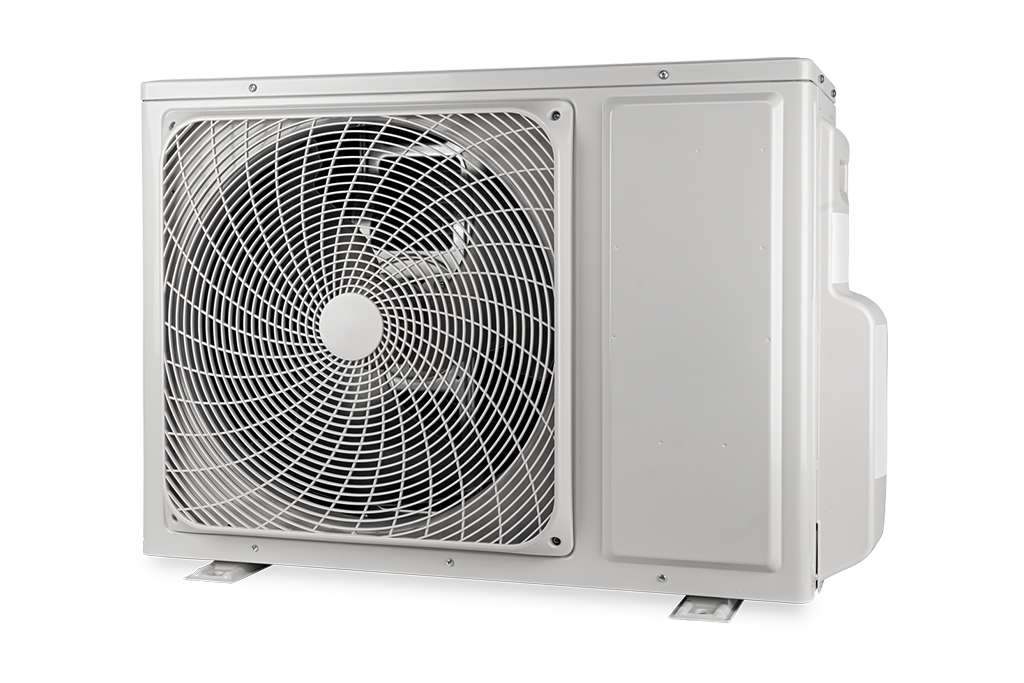
A heat pump moves heat instead of creating it. During winter, it extracts warmth from the outdoor air even in cold temperatures and delivers it indoors. In summer, it reverses the process, functioning as an air conditioner.
Best for: Energy efficiency and year-round heating and cooling.
2. Furnace
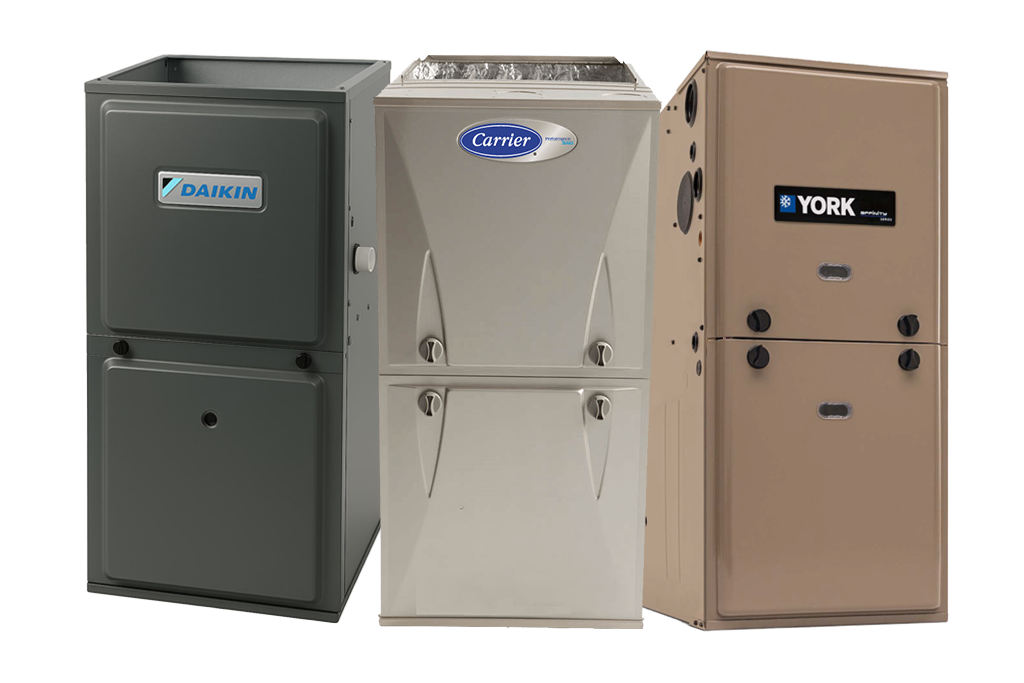
A furnace burns fuel (natural gas, propane, or electricity) to create heat. The air is heated, then circulated throughout the home using ducts.
Best for: Reliable heating in frigid climates.
Heat Pumps: Pros, Cons & Performance in Canada
Heat pumps have grown in popularity across Canada, especially with new cold-climate technologies.
Pros of Heat Pumps
Let’s start with the benefits. While furnaces have been a staple in Canadian homes for decades, heat pumps are increasingly popular. Here are the main pros of heat pumps:
1. Energy Efficiency
Heat pumps are incredibly efficient. For every unit of electricity they consume, they can transfer multiple units of heat into your home. This translates into lower energy bills than with traditional furnaces, which burn fuel at a fixed efficiency.
2. Year-Round Comfort
Unlike furnaces, which only provide heat, heat pumps double as cooling systems in the summer. This means a single unit can handle both heating and cooling, simplifying your HVAC setup and saving space.
3. Environmentally Friendly
Choosing a heat pump allows you to enjoy a warm home and a smaller carbon footprint, thanks to its electricity-powered operation instead of burning fossil fuels.
4. Safety Benefits
Heat pumps don’t involve combustion, so there’s no risk of carbon monoxide leaks, gas explosions, or other hazards associated with traditional furnaces.
5. Incentives and Rebates
In Canada, various provincial and federal programs offer incentives for installing energy-efficient heat pumps. This can offset upfront costs and make your investment even more worthwhile.
Cons of Heat Pumps
Of course, there are some trade-offs. Here are the main cons of heat pumps in Canadian winters:
1. Performance in Extreme Cold
Traditional air-source heat pumps can lose efficiency in frigid temperatures, which are common in Canada. Some modern cold-climate heat pumps are designed to handle sub-zero temperatures, but their performance may still drop slightly.
2. Higher Upfront Costs
Heat pumps generally have a higher initial cost than furnaces. However, the long-term savings on energy bills often offset the upfront investment.
3. Limited Heating Capacity
In huge homes, a single heat pump may struggle to provide uniform warmth. Some homeowners may need supplemental heating, especially in older homes with poor insulation.
Pros of Furnaces
While heat pumps are gaining traction, furnaces are far from obsolete. Here’s why many Canadian homeowners continue to rely on furnaces:
1. Reliable Heating in Extreme Cold
Furnaces provide consistent, high-temperature heat, making them ideal for harsh Canadian winters. You’ll never wake up to a chilly home with a properly maintained system. For professional care, check out Furnace Services in Vancouver.
2. Lower Initial Cost
Furnaces typically cost less upfront compared to heat pumps, making them an attractive option for budget-conscious homeowners.
3. Wide Availability and Options
Furnaces come in various types, including natural gas, oil, and propane models. This variety allows homeowners to choose a system that suits their fuel preferences and regional availability.
Cons of Furnaces
Even furnaces have their drawbacks:
1. Higher Operating Costs
While the initial cost may be lower, fuel costs can add up, especially during long, cold winters.
2. Single-Purpose Appliance
Furnaces only provide heat, so you’ll need a separate air conditioning system for summer cooling.
3. Environmental Impact
Fossil-fuel furnaces contribute to greenhouse gas emissions. If sustainability is a priority, this may be a significant drawback.
Heat Pumps vs Furnace: Side-by-Side Comparison
Feature
Heat Pump
Furnace
Heating Method
Transfers heat
Produces heat
Efficiency
Very high (especially in mild cold)
High but depends on fuel
Works as Air Conditioner
Yes
No
Ideal Climate
Mild to moderate cold
Extreme cold
Fuel Type
Electricity
Gas, propane, electricity
Lifespan
~15 years
~20 years
Indoor Air Quality
Better humidity control
Dryer air
Which is Best for Cold Canadian Winters?
So, what’s best for cold Canadian winters? The answer depends on your priorities:
For efficiency and sustainability: Modern cold-climate heat pumps are increasingly capable of handling Canadian winters and offer lower operating costs. Book a consultation with our Heat Pump Vancouver team.
For extreme, consistent warmth, High-efficiency furnaces remain unbeatable in providing reliable heat during frigid temperatures.
For a combined solution: Some homeowners opt for a hybrid system, pairing a heat pump with a furnace to maximize efficiency while ensuring reliable heat on the coldest days.
At Pro Ace, we specialize in helping Canadian homeowners choose the right system for their needs. Whether you want the energy efficiency of a heat pump, the reliability of a furnace, or a hybrid setup, we’ll guide you through the process.
Key Considerations Before Choosing
When deciding between a heat pump and a furnace, consider the following:
Local Climate: If you live in areas with extreme cold, a stove or hybrid system might be better.
Home Size and Insulation: Larger or poorly insulated homes may require more powerful heating.
Energy Costs: Consider long-term operating costs, not just the initial investment.
Environmental Goals: Heat pumps are more environmentally friendly and can help reduce carbon emissions.
Incentives: Check for local rebates or incentives for energy-efficient heat pumps.
Final Thoughts: Heat Pump or Furnace?
If you want lower energy bills, year-round comfort, and an eco-friendly solution, a heat pump is a wise choice for most Canadian homes. If you live in an icy region and want reliable heating year-round, a furnace or a hybrid system is the way to go.
At Pro Ace, we make this choice simple. Our expert team evaluates your home, walks you through costs and savings, and installs the perfect system for your needs. Don’t settle for a cold, expensive winter. Upgrade your home heating with Pro Ace and stay warm, comfortable, and worry-free all season long.[/et_pb_text][/et_pb_column][/et_pb_row][/et_pb_section][et_pb_section fb_built="1" custom_padding_last_edited="on|desktop" _builder_version="4.27.5" _module_preset="default" background_color="#FFFFFF" custom_margin="0px||0px||false|false" custom_padding="0px|15px|60px|15px|false|true" custom_padding_tablet="0px||40px||false|true" custom_padding_phone="0px||40px||false|true" global_colors_info="{}"][et_pb_row _builder_version="4.27.4" _module_preset="default" module_alignment="center" custom_margin="0px||0px||false|false" custom_padding="0px||0px||false|false" global_colors_info="{}"][et_pb_column type="4_4" _builder_version="4.27.4" _module_preset="default" global_colors_info="{}"][et_pb_text _builder_version="4.27.5" background_size="initial" background_position="top_left" background_repeat="repeat" global_colors_info="{}"]FAQs: Heat Pumps vs Furnaces[/et_pb_text][/et_pb_column][/et_pb_row][et_pb_row custom_padding_last_edited="on|phone" _builder_version="4.27.5" _module_preset="default" background_color="#FFFFFF" module_alignment="center" custom_margin="0px||0px||false|false" custom_padding="0px||0px||false|false" custom_padding_tablet="0px||0px||false|false" custom_padding_phone="0px||0px||false|false" global_colors_info="{}"][et_pb_column type="4_4" _builder_version="4.27.4" _module_preset="default" global_colors_info="{}"][et_pb_accordion open_toggle_text_color="#000000" open_toggle_background_color="#ffffff" closed_toggle_text_color="#000000" closed_toggle_background_color="#ffffff" admin_label="Accordion" module_class="bg-blue" _builder_version="4.27.5" _module_preset="default" toggle_text_color="#000000" toggle_text_align="left" toggle_font_size="24px" body_text_color="#000000" background_color="#234982" text_orientation="left" hover_enabled="0" custom_css_free_form=".bg-blue .et_pb_toggle:not(:last-child){|| background: #ffffff;|| border-bottom: 1px solid #f2f2f2 !important;|| border-top: 0 !important;|| border-right: 0 !important;||}||.bg-blue .et_pb_toggle.et_pb_toggle_close, .bg-blue .et_pb_toggle.et_pb_toggle_open {|| background: #ffffff;||}||.bg-blue h5:before {|| content: none !important;||}||.bg-blue h5, .bg-blue p {|| color: #000000 !important;||}||||.bg-blue h3:before{|| color: #234982 !important;|| font-size: 30px;||}||||" border_width_all="0px" global_colors_info="{}" sticky_enabled="0"][et_pb_accordion_item title="1. What’s the difference between a heat pump and a furnace in efficiency?" open="on" _builder_version="4.27.5" _module_preset="default" global_colors_info="{}" toggle_level="h3"]Heat pumps are typically more energy-efficient because they move heat rather than generate it, while furnaces use fuel or electricity to produce heat.[/et_pb_accordion_item][et_pb_accordion_item title="2. Can heat pumps work in Canadian winters?" _builder_version="4.27.5" _module_preset="default" global_colors_info="{}" toggle_level="h3" open="off"]Yes, cold-climate models can work efficiently in low temperatures and are designed specifically for colder regions. For professional installation, see our Heat Pump Surrey services.[/et_pb_accordion_item][et_pb_accordion_item title="3. Which system is cheaper to run?" _builder_version="4.27.5" _module_preset="default" global_colors_info="{}" toggle_level="h3" open="off"]Heat pumps generally cost less to operate over the long term, especially if electricity prices are stable in your area.[/et_pb_accordion_item][et_pb_accordion_item title="4. Do heat pumps also cool the home?" _builder_version="4.27.5" _module_preset="default" global_colors_info="{}" toggle_level="h3" open="off"]Yes, heat pumps provide both heating and cooling, acting as a furnace and air conditioner in one.[/et_pb_accordion_item][et_pb_accordion_item title="5. How long does a furnace or heat pump last?" _builder_version="4.27.5" _module_preset="default" global_colors_info="{}" toggle_level="h3" open="off"]A furnace typically lasts 15–20 years, while a heat pump lasts 12–15 years, depending on maintenance and usage. Our Furnace Repair Surrey team ensures your system lasts as long as possible.[/et_pb_accordion_item][/et_pb_accordion][/et_pb_column][/et_pb_row][/et_pb_section][et_pb_section fb_built="1" _builder_version="4.27.5" _module_preset="default" global_colors_info="{}"][et_pb_row _builder_version="4.27.5" _module_preset="default" custom_margin="0px||||false|false" custom_padding="0px||||false|false" global_colors_info="{}"][et_pb_column type="4_4" _builder_version="4.27.5" _module_preset="default" global_colors_info="{}"][et_pb_text _builder_version="4.27.5" _module_preset="default" global_colors_info="{}"]Ready to Upgrade Your Heating System?
Whether you’re deciding between a heat pump, furnace, or hybrid system, Pro Ace will guide you to the perfect solution for your home and budget. Call us today or schedule a consultation to stay warm this winter and save on energy bills.[/et_pb_text][/et_pb_column][/et_pb_row][/et_pb_section]