





If you own a multi-level home, you’ve probably experienced it: the upstairs feels like a sauna, the main floor is fine, and the basement might as well be a walk-in freezer. You adjust the thermostat again (and again), but somehow, comfort still feels impossible.
This is one of the most common frustrations homeowners face, especially in multi-level homes with uneven heating. Furnace zoning is the solution that not only improves comfort and reduces energy waste but also gives you unmatched control over your home climate. Discover how our Furnace Services in Vancouver can help you achieve the perfect temperature throughout your home.
In this guide, we’ll explain what furnace zoning is, why it matters, how it works, and why multi-level homes benefit the most from it. And if you’re already tired of temperature battles in your home, don’t worry we’ll explain how the right zoned furnace system can restore comfort fast.

What Is Furnace Zoning?
At its core, furnace zoning is a method of dividing your home into separate “zones,” each with its own temperature control. Instead of one thermostat controlling the entire house, a zoned furnace system uses multiple thermostats to heat different areas independently – an ideal solution for multi level homes.
Think of it as personalized climate control for your home, where every room or floor gets the comfort level it deserves. Each zone is connected to the central heating system, but the air is directed using motorized dampers in the ductwork. These dampers open or close based on thermostat settings in each zone, allowing or restricting warm air flow as needed.
So, if you like your living room warm and your bedroom cool, the furnace zoning system makes that possible with a single furnace.
How Does a Multi-Zone Furnace Work?
A multi-zone furnace works by dividing your home into separate heating “zones,” each with its own thermostat and airflow control. Instead of one temperature for the whole house, each level or even each room gets personalized comfort.
1. Your Home Is Split Into Zones
Commonly by floors: upstairs, main level, and basement. Each zone can call for heat independently.
2. Each Zone Has Its Own Thermostat
You control the temperature where you actually spend time, instead of overheating or underheating the entire home.
3. Motorized Dampers Direct Airflow
Electronic dampers in your ductwork open and close in response to demand. If the upstairs needs heat, its damper opens if the basement doesn’t, it stays closed.
4. A Zone Control Panel Runs the System
This panel connects all the thermostats and dampers to your furnace. It ensures the right amount of warm air goes to the correct zone at the right time.
5. The Result: Custom Comfort, Maximum Efficiency
You get perfectly balanced temperatures on every floor, lower energy waste, and a smarter, more responsive heating experience.
Key Components of a Furnace Zoning System
To understand how efficient furnace zoning systems are, let’s break down their main components:
1. Thermostats for Each Zone
Each area of your home has its own thermostat. These can be digital, programmable, or smart thermostats that allow you to customize temperatures for maximum comfort and savings.
2. Zone Control Panel
This acts as the “brain” of your furnace zoning heating system. It receives temperature readings from each thermostat and tells the dampers when to open or close.
3. Motorized Dampers
Located inside your home’s ductwork, these adjustable metal plates regulate airflow to each zone. When a room reaches the desired temperature, the damper closes to prevent overheating or wasted energy.
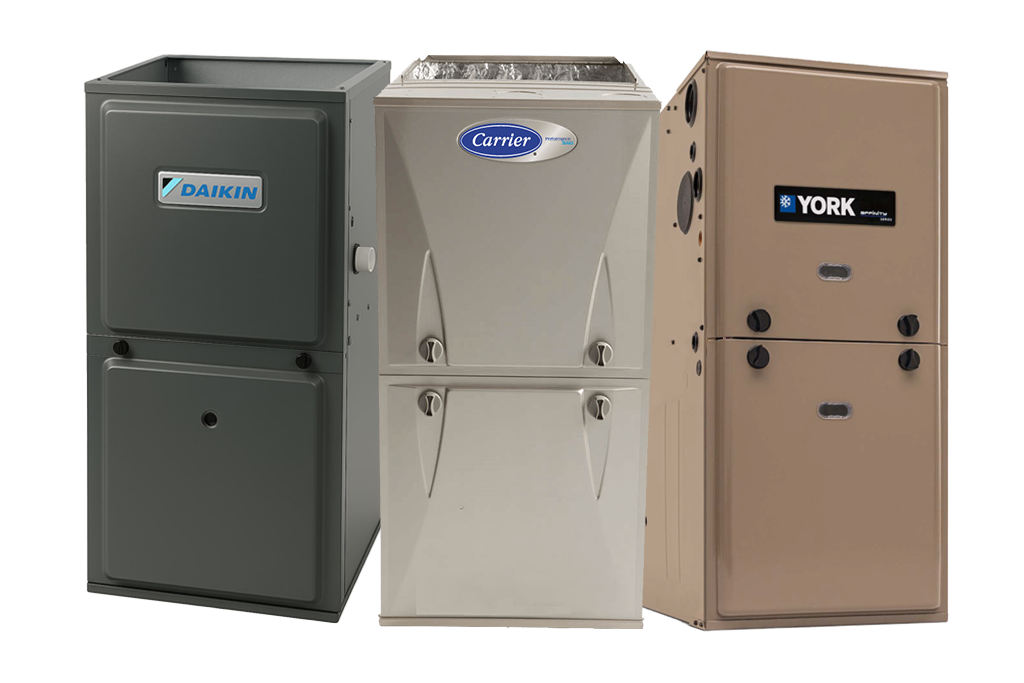
4. The Furnace and Blower
Your existing furnace and blower still provide the heat, but instead of distributing it evenly across all vents, they send it precisely where it’s needed.
Together, these elements create a dynamic, responsive system that maximizes comfort and energy efficiency across your home.
The Benefits of Furnace Zoning for Multi-Level Homes
1. Customized Comfort
No two rooms in your home are the same so why treat them like they are?
A zoned furnace system allows you to fine-tune each area’s temperature to suit individual preferences. Whether you want a toasty bedroom and a cooler kitchen, furnace zoning gives you complete control.
2. Energy Efficiency
Because a multi-zone furnace only heats the areas that need it, it consumes less energy overall. This reduces utility bills and helps your system last longer since it doesn’t overwork to heat unnecessary spaces.
3. Even Temperature Distribution
Forget about hot and cold spots. With furnace zoning systems, each floor or room receives consistent warmth. This is especially beneficial for multi-level homes where temperature imbalance is most common.
4. Less Wear and Tear on Your Furnace
A zoned furnace reduces unnecessary cycling and strain on your equipment. The system runs only when a particular zone needs heating, extending your furnace’s lifespan and minimizing maintenance costs.
5. Smart Home Integration
Many modern furnace zone control systems integrate seamlessly with smart thermostats. You can adjust each zone’s temperature using your phone or voice assistants, adding convenience to your daily routine.
6. Improved Indoor Air Quality
Since the system runs more efficiently and doesn’t push excessive air through ducts, you’ll notice less dust, fewer allergens, and cleaner airflow throughout your home.
Signs Your Home Needs a Zoned Furnace System
Is a zoned furnace right for you?
Here are the most common signs:
- Your upstairs is consistently warmer than downstairs
- You have unused or rarely used rooms
- Someone in your home prefers a different temperature
- You have high heating bills
- You constantly adjust the thermostat
- Rooms with direct sunlight get hot quickly
- Rooms in the basement stay cold no matter what
- Your home has more than one story
If you nodded “yes” to even one of these, a furnace zoning heating system could significantly improve your comfort.
How We Help You Install the Perfect Furnace Zoning System
Your comfort shouldn’t be complicated and we make sure it’s not.
Here’s what our Furnace team does:
1. Complete Home Assessment
We inspect your current furnace, ductwork, room layouts, insulation, and overall airflow patterns.
2. Custom Zoning Plan
We design a zoning setup based on:
- Home size
- Number of floors
- Sun exposure
- Room usage
- Family temperature preferences
No two homes are alike, so your zoning system shouldn’t be either.
3. Professional Installation
We install dampers, thermostats, and a central furnace zone control panel ensuring the system works flawlessly.
4. Testing and Balancing
We ensure every zone maintains accurate temperatures and proper airflow.
5. Education & Support
We walk you through how your new system works and answer any questions you have.
Our goal?
To give you a home that feels comfortable, efficient, and easy to control every single day.
Final Thoughts: A Smarter Way to Heat Multi-Level Homes
A traditional heating system cannot keep up with the unique temperature challenges of multi-level homes. If you’re tired of uneven temperatures, fighting over the thermostat, or wasting money heating unused rooms, then a furnace zoning heating system may be the solution you’ve been searching for.
Now that you know what furnace zoning is, how a zoned furnace system works, and why multi-level homes benefit the most, the next step is simple:
Take control of your home comfort.
Upgrade to a brighter, more efficient, and more comfortable way of heating your home with a multi-zone furnace explicitly designed for your lifestyle.
FAQs:
1. What is furnace zoning?
Furnace zoning is a heating setup that divides your home into separate areas or “zones” each controlled by its own thermostat. This allows every floor or room to receive customized heating without affecting the rest of the house.
2. How does a multi-zone furnace work?
A multi-zone furnace uses individual thermostats, a zone control panel, and motorized dampers to direct warm air only to the areas calling for heat. When a zone reaches its set temperature, the damper closes to prevent energy waste.
3. Why is furnace zoning ideal for multi-level homes?
Multi-level homes naturally experience uneven temperatures. Furnace zoning solves this by independently heating each level, eliminating hot upstairs rooms and cold basements while improving comfort and efficiency.
4. What are the benefits of a zoned heating system?
A zoned heating system provides better temperature control, reduced hot and cold spots, lower energy bills, less furnace wear and tear, improved air quality, and compatibility with smart thermostats.
5. Does furnace zoning save energy?
Yes. Furnace zoning heats only the areas currently in use, reducing energy consumption. This prevents your system from wasting heat on empty rooms or floors and often leads to lower monthly utility bills.