







Most homeowners think choosing a fireplace is simple, but here’s the problem no one talks about: picking between a gas or electric fireplace can feel overwhelming. You want warmth and ambiance, but every option comes with trade-offs:
- You’re unsure if the heat will actually warm your living space efficiently.
- Installation costs continue to rise higher than expected.
- Safety concerns persist, especially when children or pets are present.
- You worry about long-term home value if you pick the “wrong” type.
Going gas feels classic and powerful, yet electric promises convenience and energy efficiency. On the surface, it may seem like a forced choice, but the right option depends on one’s lifestyle, not trends. Having expert guidance from Pro Ace’s Fireplace Services team in Vancouver, you don’t have to guess which option fits best, we help homeowners weigh gas vs. electric fireplaces based on comfort, cost, and long-term value.
With this guide, you’ll learn about the pros and cons of gas and electric fireplaces, the core differences between them, and which setup truly suits your home and daily life.
Gas Fireplaces
What Is a Gas Fireplace?
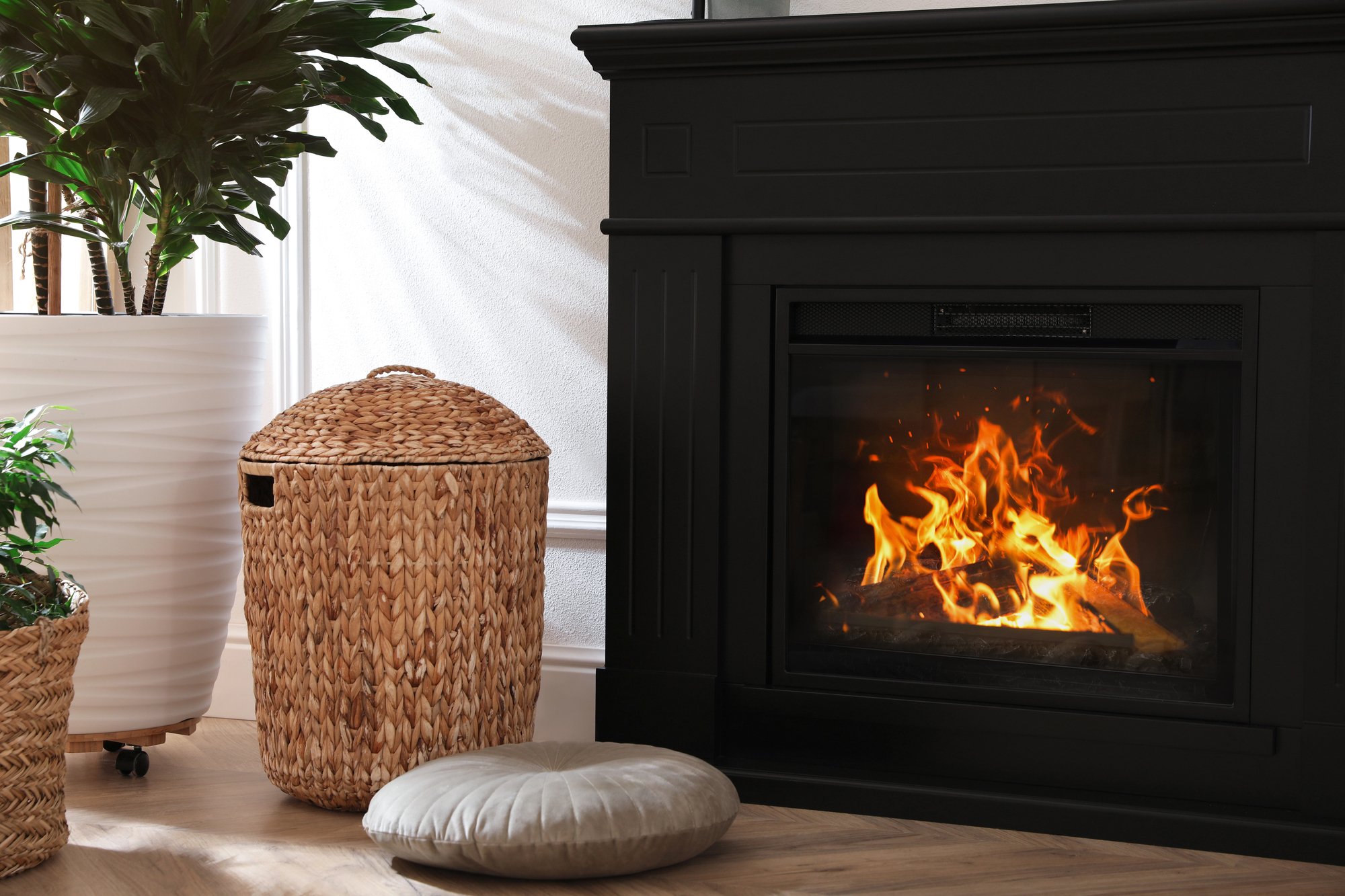
A gas fireplace is a heating device that uses gas to create flames and provide warmth. Unlike traditional wood-burning fireplaces, it doesn’t require chopping or storing wood. Most gas fireplaces come with a glass front and realistic logs or stones to mimic the look of a real fire. Some models even include adjustable flame settings and thermostats for better control of heat output.
Key points:
- Uses natural gas or propane as fuel.
- Produces real flames for ambiance.
- Can heat a room efficiently without wood.
- Easy to operate with switches, remotes, or wall controls.
Pros and Cons of Gas Fireplace
Pros:
- Provides intense, consistent heat for your living space.
- Realistic flame appearance adds ambiance.
- Low maintenance, with no ash and no need for frequent cleaning.
- Convenient to operate anytime.
Cons:
- Higher installation cost due to gas lines and venting.
- Placement is limited near gas lines or vents.
- Requires periodic professional inspection for safety.
Gas fireplaces combine the warmth of a traditional fire with modern convenience, making them a reliable choice for many homes.
Electric Fireplaces
What Is an Electric Fireplace?
An electric fireplace is a heating appliance that uses electricity to produce heat and simulate flames. Unlike gas or wood fireplaces, it doesn’t burn fuel; instead, it creates the appearance of fire using LED lights, mirrors, or screens. Electric fireplaces are ideal for homeowners seeking a safe, low-maintenance, and flexible heating option. They can be wall-mounted, recessed, or freestanding, fitting almost any space without venting.
Key points:
- Uses electricity to generate heat and flame effects.
- No real flame, smoke, or carbon monoxide.
- Just plug into a standard electrical outlet.
Pros and Cons of Electric Fireplaces
Pros:
- Safe and clean, no combustion, sparks, or harmful emissions.
- Low maintenance with no ash or soot.
- It can be installed almost anywhere, including apartments or rentals.
- Electric fireplaces’ energy efficiency converts nearly all energy into usable heat.
- Quick and convenient operation with a switch or remote.
Cons:
- Limited heat output compared to gas fireplaces.
- Flames are simulated, which may feel less authentic.
- Electricity costs can rise if used continuously.
- Some may prefer replacing an electric fireplace with a gas one for stronger heating or real flames.
Electric fireplaces are a modern, flexible alternative to gas or wood, providing warmth and ambiance with minimal hassle and strong energy efficiency.
You’re already familiar with the pros and cons of each, but here’s how gas and electric fireplaces compare side by side.
Gas vs. Electric Fireplaces: Core Difference
Understanding the core differences between gas and electric fireplaces can make your decision much easier. Both provide warmth and style, but how they operate, their efficiency, cost, and experience vary. Here’s a straightforward breakdown.
System Efficiency
- Gas Fireplaces: They produce real flames and intense heat, making them effective for heating larger rooms. Vented models lose some heat through exhaust, but modern designs are still highly efficient. Many homeowners ask, “Are gas or electric fireplaces more efficient?” For big spaces, gas often delivers more consistent warmth.
- Electric Fireplaces: They convert nearly all electricity into heat, so almost no energy is wasted. They’re perfect for supplemental heating and smaller spaces. Their energy efficiency is a strong selling point, which is why electric fireplaces are often highlighted in product descriptions.
Cost Considerations
- Gas Fireplaces: Installation can be expensive due to gas lines, venting, and professional labor. Operating costs depend on local gas prices, but heating larger areas can be more cost-effective than electric in some regions.
- Electric Fireplaces: Installation is simple, often just a matter of plugging into an outlet, and upfront costs are lower. Electricity is generally more expensive than gas per unit of heat, but energy-efficient models help reduce operational costs. Questions like “Should I replace my electric fireplace with a gas one?” often arise when homeowners want stronger heat output or a more traditional flame.
Ambiance & Experience
- Gas fireplaces offer authentic flames, crackling sounds, and a classic fireplace feel. They are preferred by those seeking a traditional ambiance.
- Electric fireplaces focus on visual appeal with customizable flames, colors, and lighting effects. They are convenient, but the flames are simulated, so some homeowners ask, “Is an electric fireplace better than a gas one?”
Placement
- Gas Fireplaces: Need a gas line and sometimes venting, which limits placement options. Typically installed near walls that allow venting or chimney access.
- Electric Fireplaces: Can be placed almost anywhere with a power outlet, wall-mounted, recessed, or freestanding, making them ideal for apartments or rentals.
Maintenance & Safety
- Gas Fireplaces: Require periodic inspections of gas lines and vents. CO detectors are recommended for safety.
- Electric Fireplaces: Low maintenance with no ash or soot, safer for kids and pets, and only need occasional dusting and checking electrical connections.
Thinking about upgrading or installing a fireplace in your home? Pro Ace offers top-notch Fireplace services in Surrey, from installation to maintenance, making it easy to enjoy warmth and style without the stress.
Ask Yourself These 6 Questions When Choosing from Different Fireplace Options
Still unsure which fireplace is best? Ask yourself these six key questions to find the perfect match.
1. What’s my installation budget?
If you’re on a tight budget, an electric fireplace is the smarter choice. It’s usually a simple plug-in, and the electric fireplace installation cost is minimal compared to gas, which may involve running new gas lines and venting. Gas gives you a more traditional look, but expect a higher upfront bill.
2. How much heat do I really need?
For large, drafty rooms, gas delivers stronger, consistent heat. If you’re looking for supplemental warmth in a bedroom or office, electric fireplaces provide plenty of comfort without overwhelming the space.
3. How important is authenticity?
If you want real flames and a natural feel, gas wins every time. Electric fireplaces can look great, but they simulate flames, ideal if convenience matters more than realism.
4. How much upkeep am I comfortable with?
Gas fireplaces require periodic safety checks. Do electric fireplaces? Practically zero maintenance, dust, and plug-in.
5. What about safety?
With gas, you’ll need CO detectors and professional inspections. Electric eliminates that worry and is safer for kids and pets.
6. What about long-term value?
A gas fireplace may add more resale value, but don’t underestimate the benefits of electric if flexibility and efficiency are your top priorities.
Final Words
Choosing between a gas or electric fireplace comes down to what matters most in your lifestyle, whether it’s the authentic flame and heat of gas or the flexibility, safety, and low upkeep of an electric one. Both bring warmth and style to your home, but the right choice depends on your space, budget, and comfort needs. Take the time to weigh the pros and cons carefully, and you’ll land on the fireplace option that feels like the perfect fit.
Ready to enjoy the perfect fireplace without the guesswork? Pro Ace can help you choose, install, and maintain the ideal fireplace for your home.