





Many homeowners with heat pumps wonder the same thing: is it better to keep it running all the time or turn it off when not needed? It’s a common question, especially when energy bills rise or the house doesn’t feel as comfortable as expected. Some people leave their system on day and night, hoping for steady warmth or cool air, while others try to save money by switching it off during certain hours.
The right choice isn’t the same for everyone; it depends on your home, the weather, and how your heat pump works. If you’re unsure how to operate a heat pump efficiently, you’re not alone. Understanding how your system works can help you lower energy bills and enhance your home’s comfort. Struggling with a poorly working heat pump or uncomfortable temperatures during the harsh Canadian seasons? Our expert team offers reliable HVAC Services in Vancouver to solve heat pump issues quickly. Contact us today, and let our professionals optimize your system for year-round performance.
In this blog, we will explore how the heat pump system works, what the advantages and disadvantages of a heat pump are when turning it on, and how to improve the efficiency of a heat pump.
Understanding the Heat Pump Working
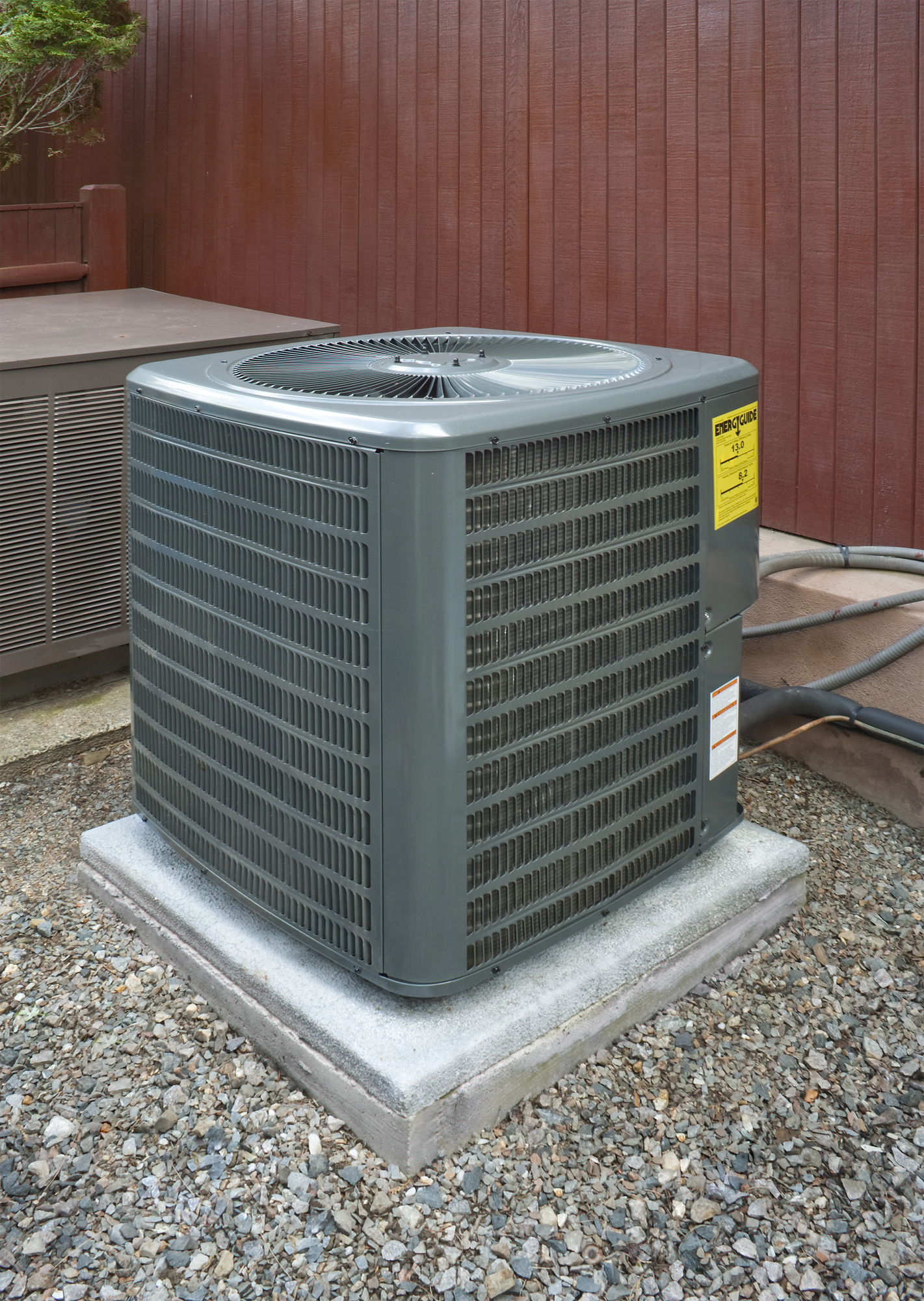
A heat pump is an innovative, energy efficient system that heats your house during the cold winters in Canada and cools it during the hot summers. It moves heat instead of making it. In winter, it pulls heat from the outside air and brings it inside, even when it’s freezing. In summer, it sends warm air outside to cool your home.
This method of heat pump working is one reason it’s so efficient, and understanding it can help you get the most from your system. Knowing how to operate a heat pump efficiently is key to reducing energy use while maintaining comfort.
Common Types of Heat Pumps
There are different types of heat pump systems available in Canada, each with its pros and cons:
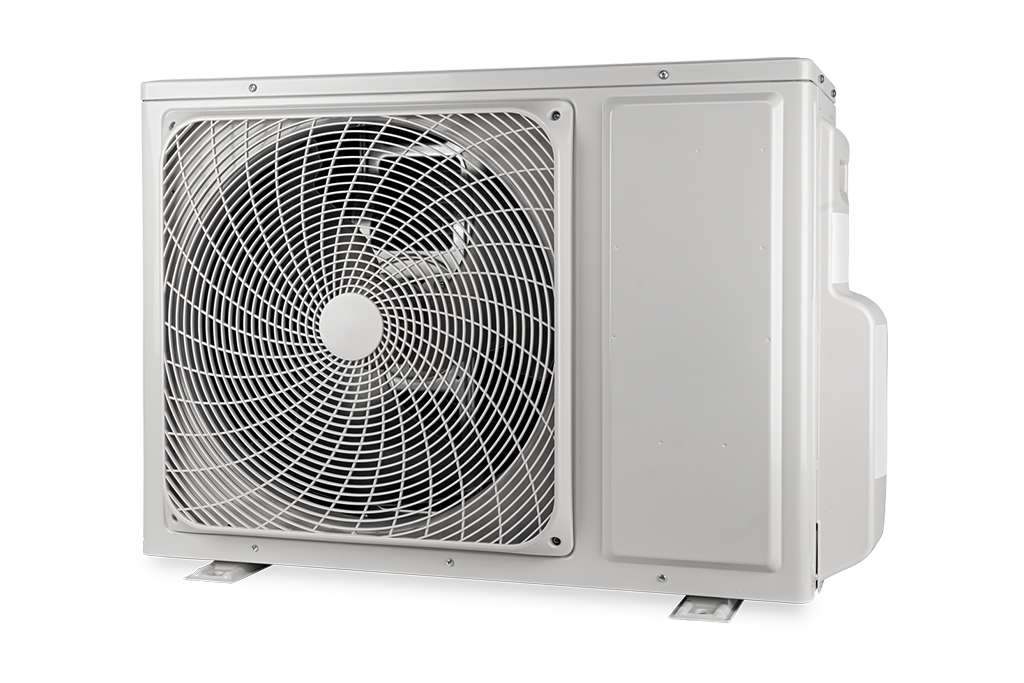
- Air Source Heat Pump: Takes heat from outside air. It’s the most popular and affordable type.
- Ground Source (Geothermal) Heat Pump: Pulls heat from underground. It offers significant long-term savings but costs more upfront.
- Ductless Mini-Split System: Ideal for homes without ductwork. Suitable for heating or cooling single rooms.
These types of heat pumps are suitable for different home needs and climates. Choosing the right one can help you enjoy the full benefits of a heat pump, including lower energy bills and better comfort.
4 Benefits of Leaving Your Heat Pump On All the Time
Letting your heat pump run continuously may seem counterintuitive, but it’s one of the most practical tips for improving comfort, reducing strain, and helping your system last longer. For homeowners and business owners in Canada, the benefits of heat pump systems become even more noticeable when used correctly.
1. Reliable System Performance
When your heat pump runs without stopping too often, it maintains steady airflow and consistent temperature control. This smooth performance reduces the risk of freezing in winter or overheating in warmer months. Following this simple practice is one of the easiest heat pump efficiency tips to avoid system failure during extreme weather.
2. Lower Monthly Bills
Stopping and restarting your system frequently causes power spikes and extra energy use. By running it continuously at a low and steady speed, your unit works more efficiently. Over time, this method can reduce electricity costs especially during long Canadian winters when heating demands are high. It’s a smart way to use energy wisely and save money.
3. Steady Indoor Comfort
With a heat pump that stays on, your indoor spaces remain at a consistent temperature throughout the day. You won’t feel cold spots in one room and hot areas in another. This means better comfort without constantly adjusting the thermostat.
4. Less Wear and Tear
Turning your system on and off repeatedly wears down the motor and other parts faster. Letting it operate steadily reduces the number of start-stop cycles, which can lead to fewer repairs and longer system life. Over time, this adds more value to your heat pump investment and ensures smoother operation with less stress on components.
4 Disadvantages of Running Your Heat Pump Continuously
1. Higher Energy Costs
Using a heat pump all day may look easy, but it could raise your energy bill if you don’t use it well. Heat pumps save energy, but running them all the time can cost a lot. This is especially true for big houses or very cold Canadian winters. One way to reduce this impact is learning how to improve the efficiency of a heat pump by using a smart thermostat or zoning your system. These small changes can lead to better savings over time.
2. Reduced Lifespan
Keeping your heat pump on constantly puts added stress on internal parts like the compressor and motor. Over time, this can cause them to wear out faster than expected. Knowing how to operate a heat pump efficiently—such as giving it short breaks or adjusting the temperature when not at home—can help extend the system’s overall life and reduce repair costs.
3. Unnecessary Noise
A constantly running system may produce more noticeable sounds, especially in quiet environments. While most modern heat pumps are designed to be peaceful, continuous use can highlight fan noise or vibration. This can become distracting if your unit is near a bedroom or office space. Following heat pump tips, like ensuring the unit is installed on a stable surface, can help minimize sound.
4. Increased Maintenance Needs
The more your system runs, the more care it needs. Filters clog faster, and components may need cleaning or replacing sooner. Following basic heat pump efficiency tips like regular cleaning and seasonal checkups can help you avoid bigger issues and costly repairs.
5 Tips to Optimize Heat Pump Efficiency
If your heat pump doesn’t work as well as you think it should or your energy bill is higher than usual, making these easy fixes can help. These tips are designed to help you improve the efficiency of a heat pump and make your system last longer, especially during Canada’s cold seasons.
1. Use a Programmable Thermostat
A programmable thermostat is one of the best ways to operate a heat pump efficiently. It lets you set the temperature based on your schedule, reducing the need for the system to run when no one is home. This can help you cut down on power use without sacrificing comfort.
2. Schedule Seasonal Maintenance
Booking professional maintenance before each primary season is a smart step. Experts will inspect, clean, and make sure everything is working correctly. This small routine can prevent bigger problems and improve long-term performance one of the most effective heat pump efficiency tips. Are you tired of dealing with a malfunctioning heat pump and high energy costs? Contact our most reliable Heat Pump Repair team in Vancouver to keep your system running smoothly and efficiently. Contact us now!
3. Set a Consistent Temperature
Turning the system on and off multiple times a day makes it work harder and wastes energy. Instead, set your thermostat to a steady, comfortable level. A stable setting uses less energy and protects the system from wear, helping your heat pump last longer.
4. Clean or Replace Filters Regularly
Dusty or clogged filters block airflow, forcing the heat pump to work harder than it should. Check your filters every month and clean or replace them if needed. This simple habit can bring big improvements in performance and indoor air quality.
5. Seal Leaky Ducts and Windows
Air leaks around windows or ducts let warm air escape, meaning your heat pump has to run longer. Sealing these leaks improves heating results and lowers energy use—another key way to improve the efficiency of a heat pump.
Final Thoughts
Leaving your heat pump on all the time can offer steady comfort and better efficiency in certain situations, especially during colder Canadian months. But this might not be the best way for every house or heat pump. Knowing how your heat pump works and caring for it often is essential. Good habits can help it work well and not use too much power. By following the right tips and knowing both the benefits of heat pump use and the possible downsides, you can make the most of your system while keeping your energy bills in check.